


Garnet
Sparkling red


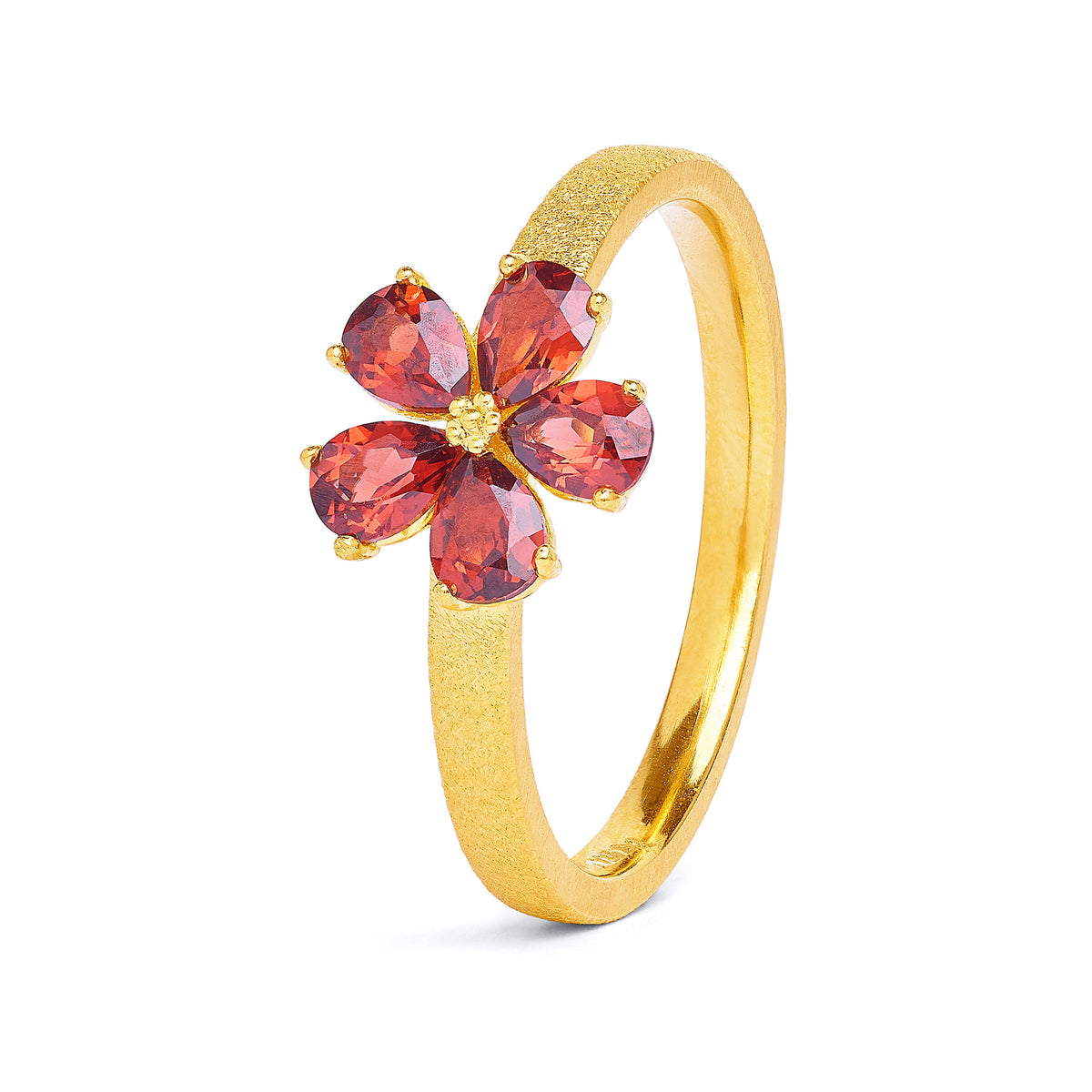

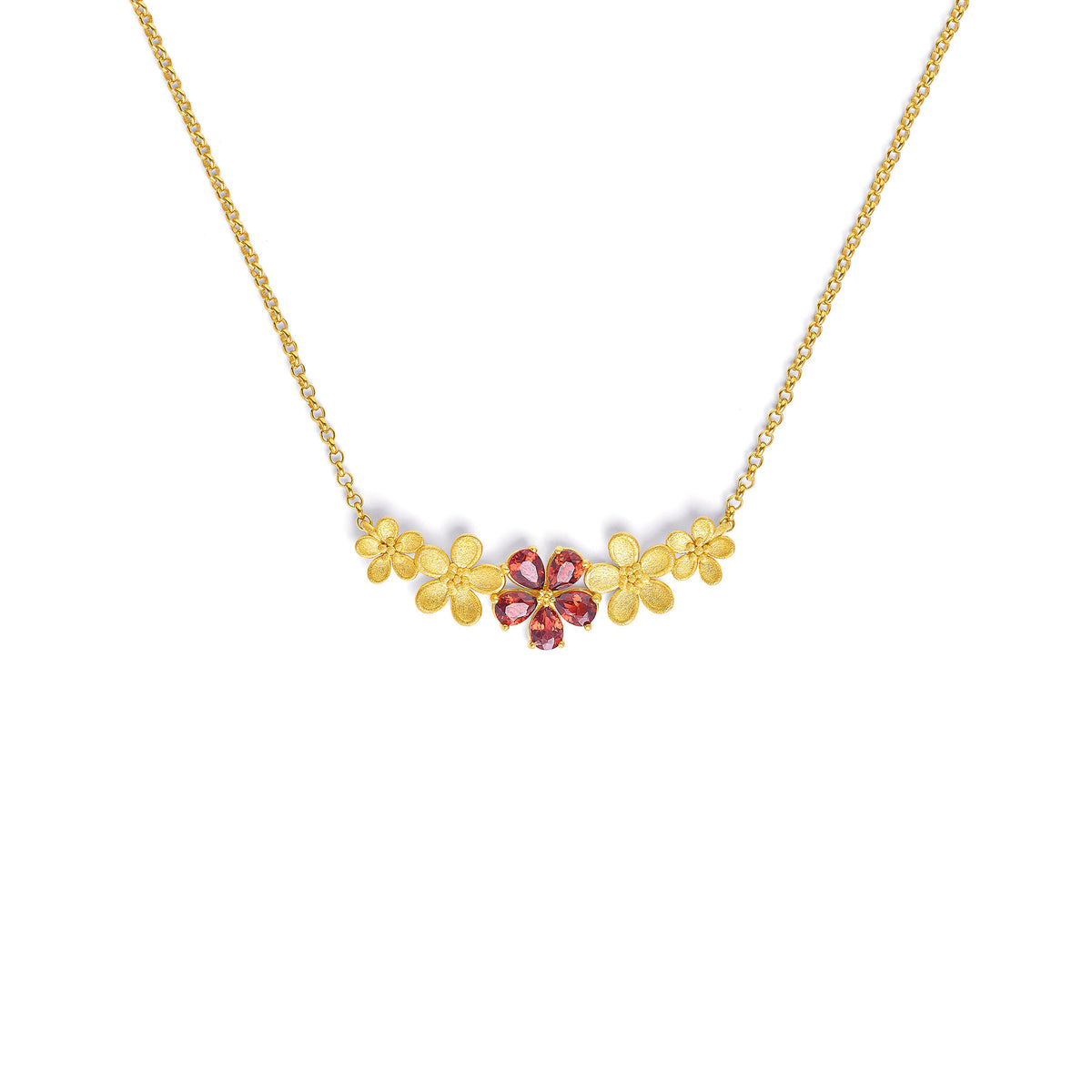

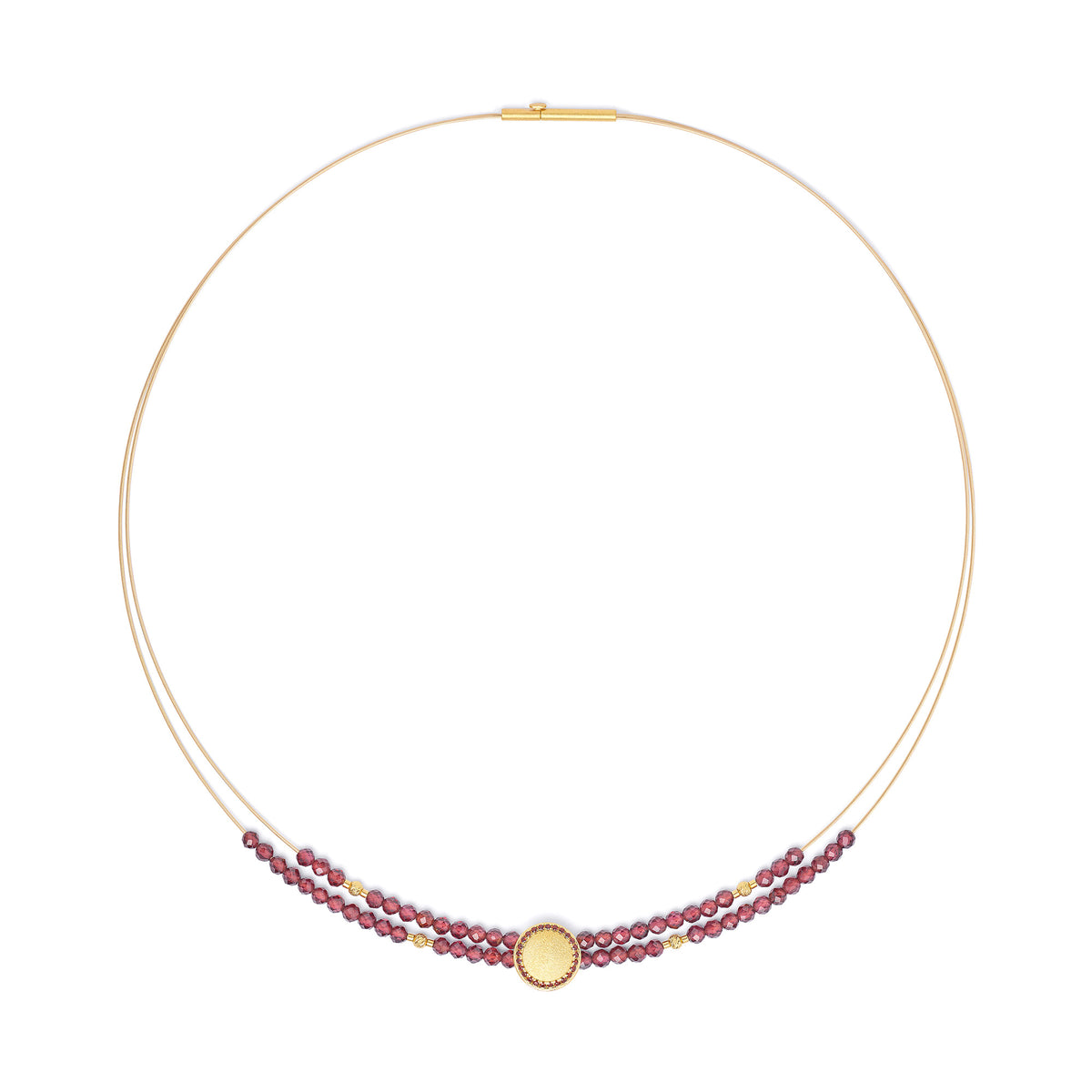
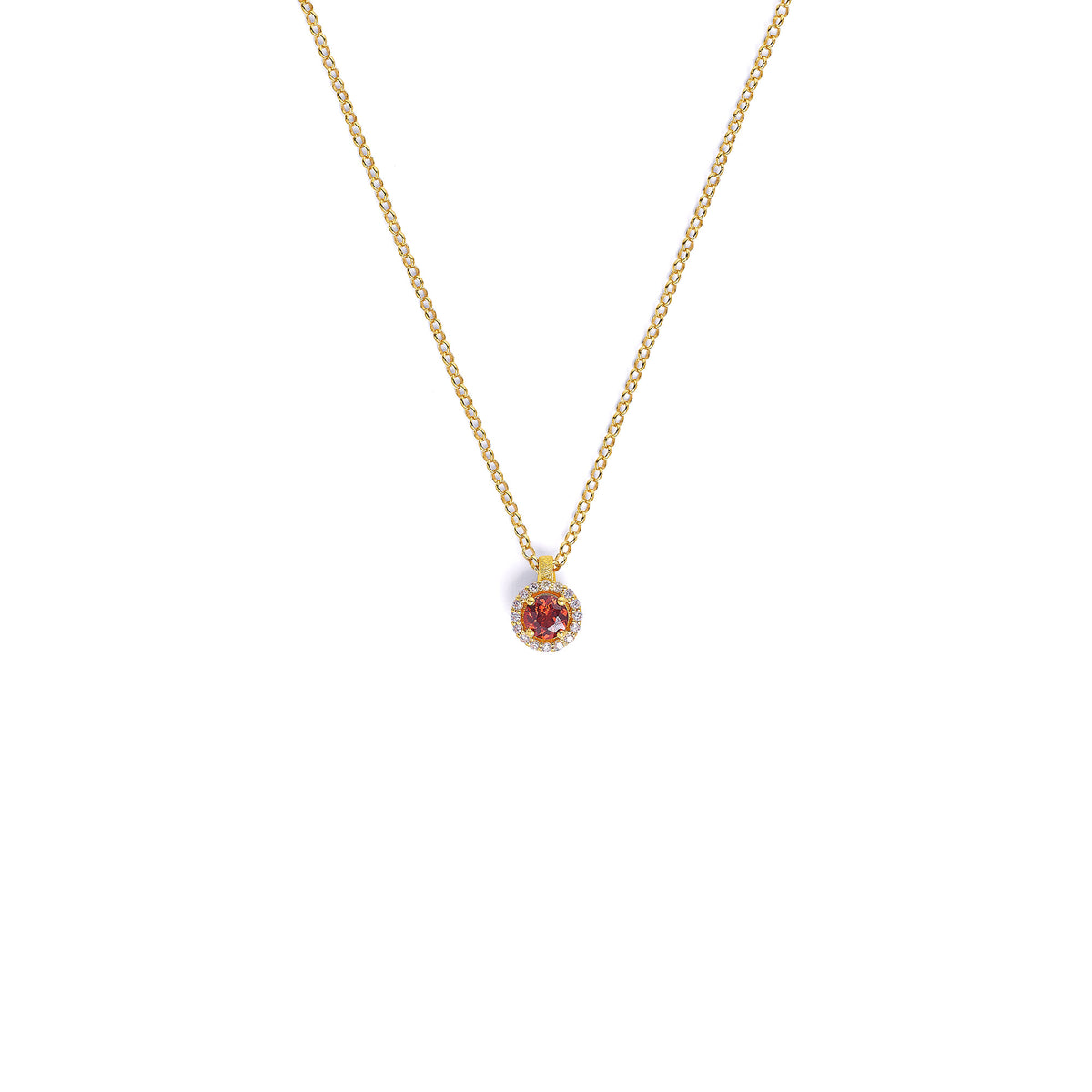
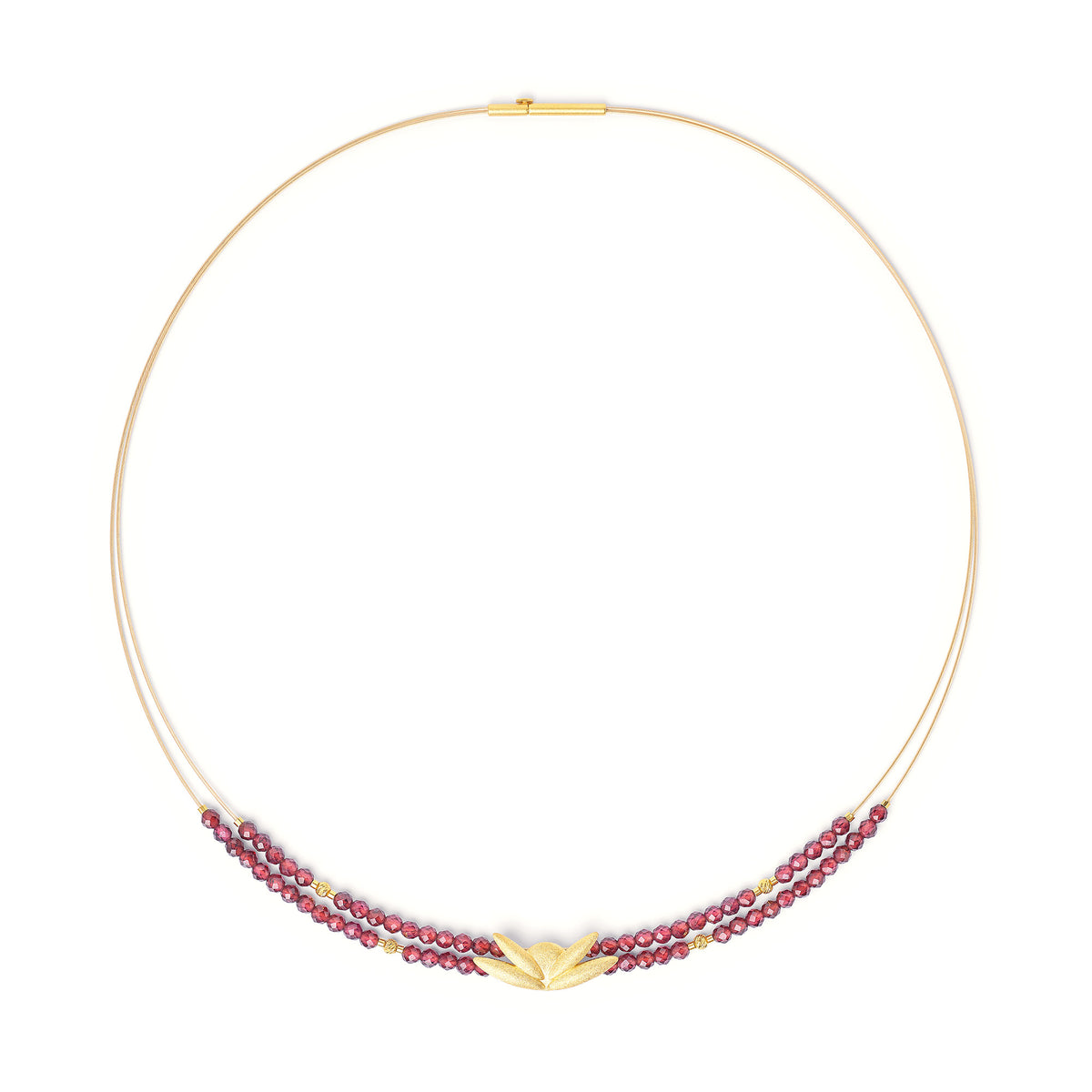
Garnets are among the most resilient gemstones and are therefore excellently suited for high-quality jewelry. The term "garnet" is derived from the Latin granum ("grain") and refers to the frequent occurrence of the crystals in a rounded form. Colloquially, the garnet was also known as the "red carbuncle." The color spectrum of the garnet is impressively diverse, ranging from rich shades of green to brown, yellow, and orange, all the way to intense red. Thanks to its high refractive index, the gemstone develops an extraordinary luster that is reminiscent of a diamond.








Effect
Garnet is known as a stone of crisis; it is said to help in hopeless situations and to promote self-confidence, strength of will, and zest for life. Furthermore, it is said to ensure an active and balanced sex life, help with heart and mental illnesses, and strengthen the heart, blood flow, and brain.

History
Garnets have been highly sought after since antiquity. According to an ancient myth, sacred garnets are said to be able to glow from within by themselves. For this reason, they were also referred to as red carbuncle stones in the Middle Ages. In ancient India and Buddhism, the garnet was also considered a sacred stone and was described as a fire of eternal transformation.


